How Plate Cloning Detection Protects Your Vehicle Identity
The Reality of Number Plate Cloning
It starts with a letter you never expected. A fine for a bus lane you never drove through, or a congestion charge from a city you have not visited in years. The first sign of trouble often arrives by post, and by then, your vehicle registration has already been used by someone else. Number plate cloning is not a rare crime. It happens every day across the UK, and it preys on ordinary drivers and businesses alike. The moment a cloned plate is spotted by an ANPR camera, the real owner becomes the one who has to prove they are innocent.
Understanding how plate cloning detection works is the first step toward protecting yourself. It is not just about spotting a fake plate. It is about knowing your vehicle identity has been compromised before the penalties pile up. And for that, you need more than luck.
How Cloning Happens and Why It Is So Hard to Spot
A cloned plate is simply a copy of a legitimate registration plate. The criminal finds a vehicle that matches the make, model, and colour of a car they want to use for illegal activity. They order counterfeit plates from a disreputable supplier or print their own. Once those plates are fitted, the car becomes a ghost. It passes ANPR cameras, triggers fines, and commits crimes, all while the real owner remains unaware.
The DVLA issues registration plates, but there is no central system that automatically alerts you when your plates are used elsewhere. That gap is where cloning thrives. The cloned vehicle looks identical to yours. A police officer checking a plate at the roadside will see your details, not the criminal's. Without some form of digital verification or real-time alert, you are left to discover the problem after the damage is done.
This is where plate cloning detection becomes essential. It shifts the advantage back to the legitimate owner by flagging anomalies that a human eye cannot catch.

The Mechanisms Behind Plate Cloning Detection
Plate cloning detection relies on matching data points that go beyond the visual appearance of a plate. When a vehicle registration is checked, the system compares not just the plate number, but the associated details such as make, model, colour, and even the region where the vehicle is typically seen. If a car bearing your registration is recorded in Manchester while you are parked in Cornwall, that discrepancy can trigger an alert.
Real-time alerts are the backbone of this approach. Instead of waiting for a fine to arrive, you receive a notification the moment your plate is scanned somewhere unexpected. That gives you a window to act, to report it to police authorities or to check whether a mistake has been made. Speed matters in fraud prevention. The sooner you know, the sooner you can stop the misuse from escalating.
Secure verification adds another layer. When you buy or sell a vehicle, verifying that the registration plates match the official DVLA record can prevent you from inheriting a cloned identity. Marketplace sellers and private buyers alike benefit from this check, because a vehicle with clean papers may still be carrying a cloned plate. Without a verification step, you are trusting a piece of metal that could have been printed in someone's garage.
Who Is at Risk and Why
The short answer is: anyone. But certain groups face higher exposure. Motor trade professionals handle dozens of vehicles a month. A single cloned car entering their stock can lead to fines, legal headaches, and reputational damage. Private sellers on online marketplaces are another target. A buyer turns up, pays cash, drives away, and the seller later discovers the plates were cloned. By then, the buyer is gone and the police are asking questions.
Businesses with fleets of vehicles also need plate cloning detection. A cloned fleet vehicle can run up congestion charges, tolls, and speeding tickets across multiple jurisdictions. Sorting that out takes hours of admin and, in some cases, legal fees. For a small business, that kind of disruption is more than an inconvenience. It can affect cash flow and customer trust.
Even private drivers who rarely think about vehicle crime are not immune. A cloned plate can be used for fuel theft, smuggling, or more serious offences. The victim ends up on a database, flagged by ANPR cameras, and possibly stopped by police. Explaining that your car was cloned is easier when you have evidence from a detection system than when you have nothing but your word.
Practical Steps You Can Take
Plate cloning detection is not something you set and forget. It works best when combined with good habits. Here are a few practical measures that complement any digital system:

- Check your vehicle registration details regularly against DVLA records. Any mismatch in the model, colour, or address could be a sign of tampering.
- Keep an eye on your post. Fines from places you have not visited are the earliest clue.
- When selling a vehicle, use a secure verification service before handing over the keys. Confirm the buyer's identity and check the plates against the official register.
- If you buy a used car, run a vehicle check that includes plate history. A car that has been re-registered multiple times in a short period may have a cloned identity.
- Report any suspicious activity to the police and the DVLA as soon as you spot it. Delay only makes the trail harder to follow.
These steps do not replace automated detection, but they add a layer of personal vigilance that makes a difference. The best approach combines human awareness with anti-fraud technology that runs in the background.
The Role of Digital Verification in Modern Fraud Prevention
Digital verification has changed how we handle vehicle identity. In the past, a registration plate was a physical object you could see and touch. Now, with ANPR cameras reading plates at every junction and toll, the digital footprint of your plate matters just as much as the metal rectangle on your car. Plate cloning detection uses that digital footprint to spot anomalies.
When a registration alert is triggered, it does not just tell you something is wrong. It gives you a timestamp, a location, and a record you can present to the authorities. That evidence is valuable because it shifts the burden of proof. Instead of you trying to prove your innocence, the system provides data that supports your case.
Police authorities increasingly rely on these systems to filter out legitimate owners from suspects. If you can show that your plate was scanned in two places at the same time, the case against you collapses. Without that evidence, you are left arguing with a bureaucracy that processes thousands of fines a day.
Why Plate Cloning Detection Matters for the Future
Vehicle crime is not going away. As technology improves, so do the methods used by criminals. Plate duplication has become cheaper and easier. A printer and a sheet of reflective material are all it takes. The only way to stay ahead is to use detection methods that are faster and smarter than the criminals.
Plate cloning detection is not a luxury. It is a practical tool for anyone who owns a vehicle or runs a business that depends on vehicles. The cost of ignoring it is measured in fines, time, and stress. The cost of using it is a few minutes of setup and occasional attention to alerts. For most people, that trade-off is clear.
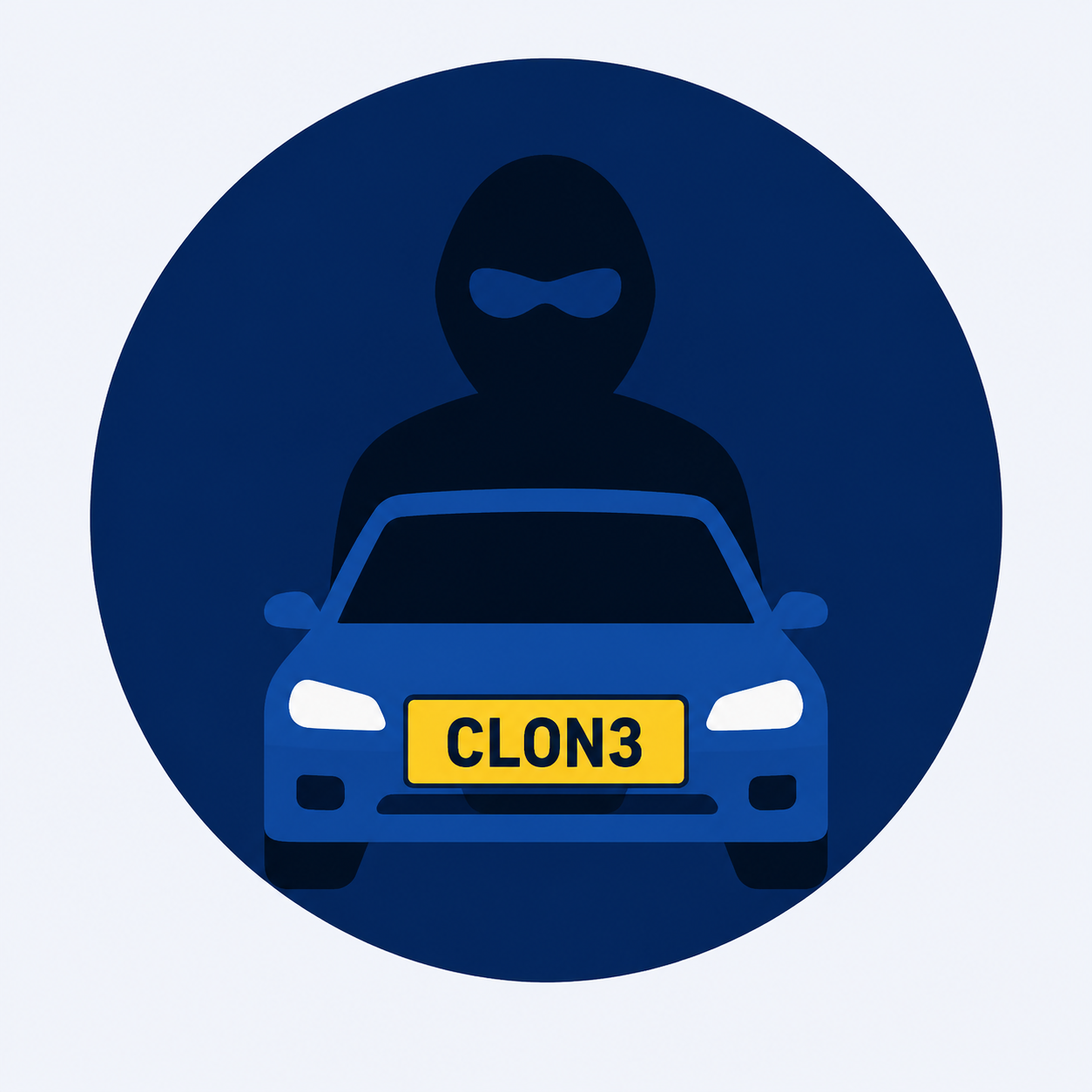
The UK's roads are covered by ANPR cameras. Every journey you make creates a record. That same infrastructure can protect you if you choose to use it. Plate cloning detection turns a passive system into an active shield. It does not stop the cloning from happening, but it makes sure you know about it before the consequences become serious.
Final Thoughts
Number plate cloning is a crime that hides in plain sight. The plates look real, the car looks real, and the system treats them as real until someone proves otherwise. Plate cloning detection gives you the means to be that someone. It gives you a chance to act, to report, and to protect your identity. That is worth more than any fine you might avoid. It is about keeping your name clean and your vehicle records accurate.
Whether you are a private driver, a marketplace seller, or part of the motor trade, the principle is the same: do not wait for a letter to tell you something is wrong. Use the tools available now to stay ahead of the crime.